


WAQF
Open your work to the service of others; protect the labour, rights and continuing care together.
A lesson, game, piece of software, guide or design may help other people. WAQF is a path for opening suitable work to HAYR by making clear where it came from, how it may be used and who will continue to care for it after release.
Video metinsel alternatifi
People meet in a shared place around knowledge, conversation, making and service. In the WAQF path, a work is opened to HAYR only after its permissions, rights, privacy needs and responsibility for continuing care have been made clear.
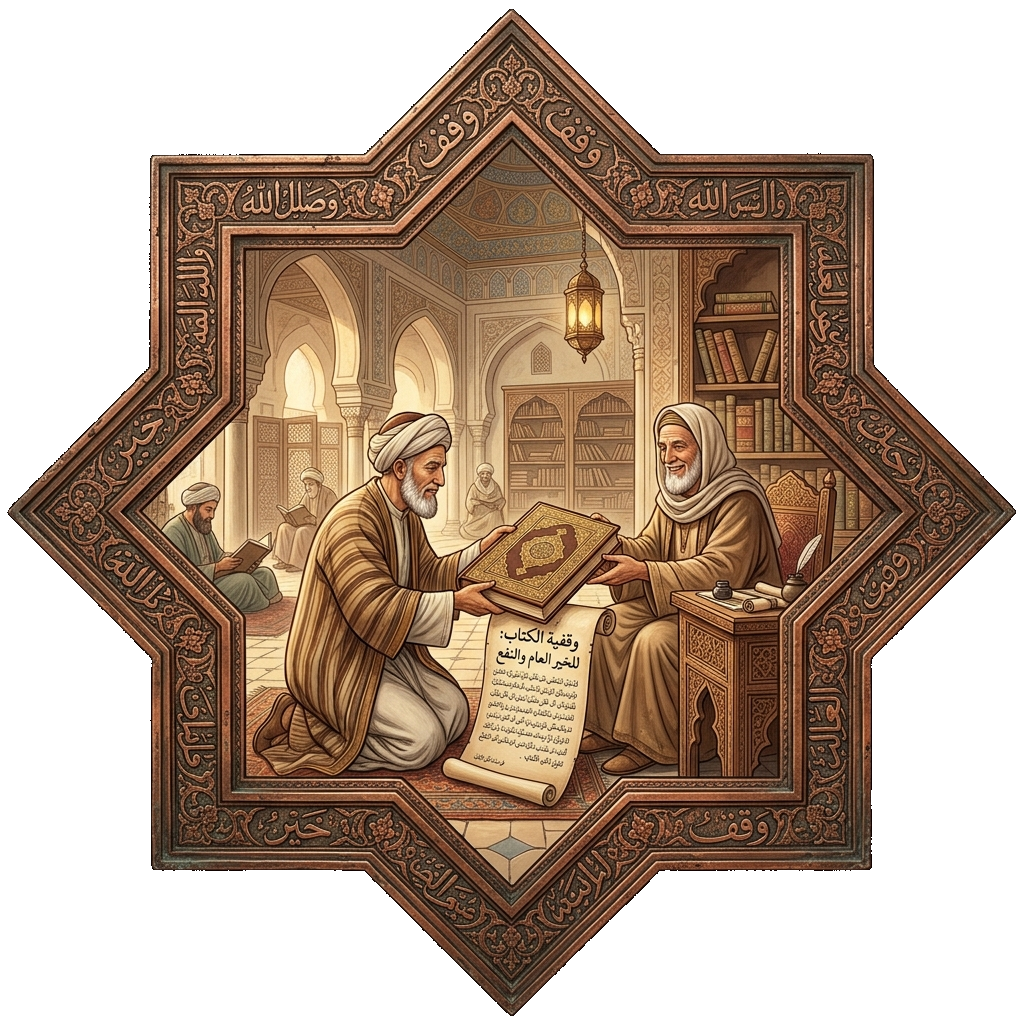
What do you do through WAQF?
Make your work understandable, usable and possible to care for over time.
First explain the need the work addresses, whose labour it carries and who may use it in what way. Then set out its permissions, conditions of use, error-reporting path and responsible maintainer before opening suitable work to service.
What could be opened?
Work in knowledge, education, technology, media and the professions can be prepared for WAQF.
Lesson and curriculum
A teacher’s notes, workshop plan or learning material can serve other educators when its source and conditions of use are clear.
Book, research and guide
A text, glossary, source selection or practical guide can be shared with its author, attribution path and limits as a human representation made visible.
Software and digital tool
An application, code library or automation can be released with a clear licence, safety boundary and maintainer.
Data, model and knowledge base
These are not opened to service until source, consent, privacy, error and the place of human decision are made clear.
Game and children’s content
Games, stories and activities may be shared when age suitability, representation, child safety and family permission are protected.
Video, audio and image
Media can serve learning or community work when image, voice, music, personal consent and usage rights are protected.
Design and production template
An interface, drawing, template or design system can support other makers when its use and attribution conditions are clear.
Professional and field experience
A mastery guide, field note or workshop method can be carried to the next generation while protecting the people and context involved.
From making to WAQF
Making is the beginning; preparing a work for other people to use is a separate responsibility.
Not every work has to be opened through WAQF. When one is, its source, labour, rights, conditions of use, correction path and continuing care become visible together.
01 Explain the need and the people it serves
Show whose work the output supports and why it should be opened to service.
02 Show the source and limits
Explain how it was made, what it can and cannot do, and where human judgement remains necessary.
03 Complete rights and permissions
Identify contributors, copyright, consent, privacy needs and conditions of use.
04 Choose the right access path
Decide whether the work should be open to everyone, available to a defined community or limited to a particular use.
05 Set up care and withdrawal
Who will update it, where will errors be reported, and how can access be limited or withdrawn if harm appears?
Six steps
Prepare the work, complete permissions, release it and continue its care.
A short lesson file and a large software system do not require the same depth of work, but every output carries these six responsibilities in proportion to its scale.
01 1 · Need
Identify the real need and the people the work will serve.
02 2 · Source
Explain the sources, method, labour and limits of the work.
03 3 · Feedback and testing
Try it with relevant people and look for gaps, errors and possible harm.
04 4 · Rights and permission
Complete copyright, consent, privacy, safety and conditions of use.
05 5 · Release
State who may access, use or change it and how attribution should be given.
06 6 · Continuing care
Keep the responsible person, update rhythm, error reporting and withdrawal path visible.
Current status
This page describes the WAQF model; no open contribution term or accessible work has been announced yet.
When a real contribution call opens, its date, scope, acceptance conditions and responsible team will be published separately. Preparation records in the catalogue do not mean that a work is complete or open to HAYR.
Meeting format
- — Publication
- — Open tool
- — Guide
Duration and rhythm
- — Assessment → permission → release → care
- — Reassessment when the work changes
- — Continuing
Who carries it?
- — Work steward
- — Assessment lead
- — Publisher and maintainer
Current status
No open cycle · preparation continues
The WAQF working model is in development; no open contribution camp or application path has been published.
Safety and responsibility
Every work makes its source, labour, copyright, consent, conditions of use, error-reporting path and responsible maintainer visible. Work involving children, personal data or safety risk carries additional protection requirements.
Intended outputs
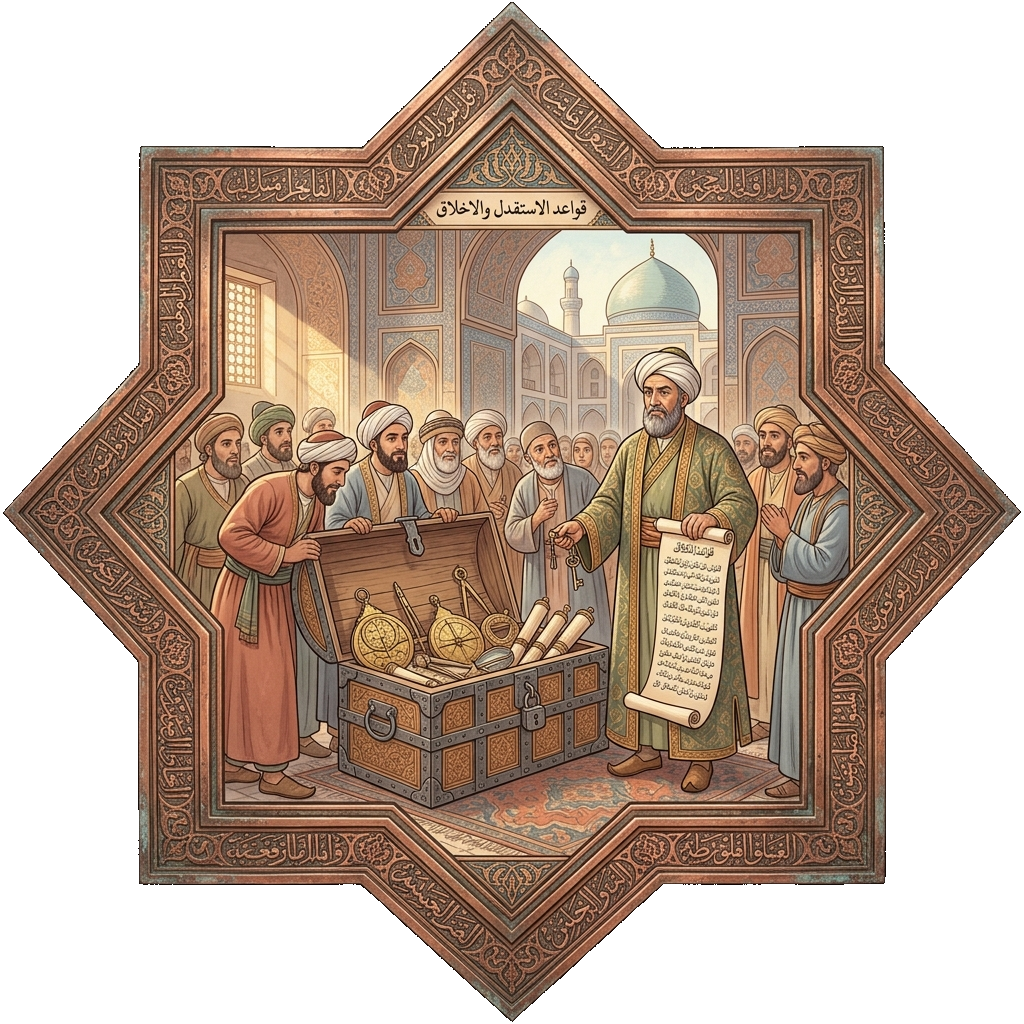
More than sharing
WAQF is not leaving a free file behind; it entrusts a work to service together with its rights and continuing care.
It may overlap with open source and shared resources. But being free does not remove copyright, consent, privacy, the risk of misuse or the need to maintain the work.
Preparation questions
If you cannot answer these six questions, the work is not yet ready for WAQF.
The questions are not meant to make sharing difficult; they protect the maker, the people served and the future of the work.
What is being opened, and whose work will it support? Whose labour and rights does it carry? Which sources and methods were used? Who may use it, and under what conditions? How can an error or harm be reported? Who will continue to care for it?
Preparing a work for WAQF
Work through the six steps, then see which information a preparation record must carry.
The catalogue does not promise accessible works today. You can examine the preparation records together with their source, use, responsible person and care fields.